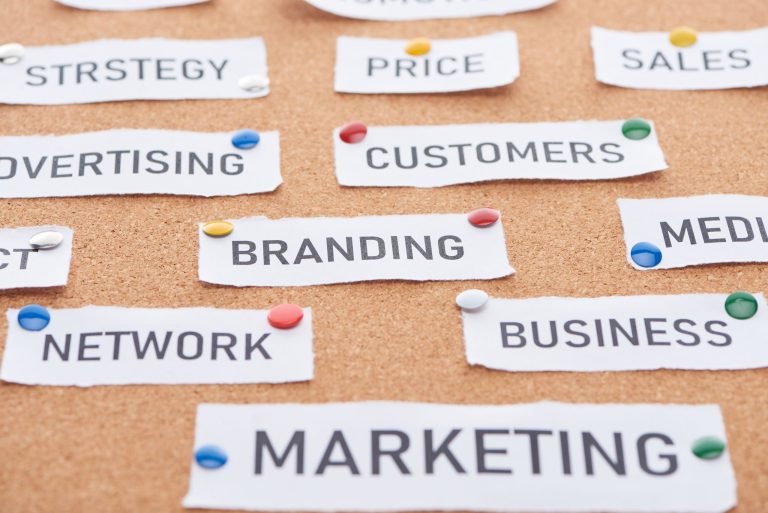
10 Strategies to Craft Killer Content Marketing Campaigns
Content marketing isn’t just about pumping out blog posts and hoping they rank. It’s a structured process that demands strategy, precision, and data-backed decisions. You need compelling marketing techniques to create content that drives engagement, boosts visibility, and converts visitors. Here’s how to craft content marketing strategies that move the needle.
1. Define Clear Goals and KPIs
If you don’t define success, how will you measure it? Before creating content, set clear goals tied to measurable outcomes. Without well-defined key performance indicators (KPIs), it’s impossible to determine whether your content efforts are working or just adding to the noise.
Start by asking: What do you want to achieve? Are you looking to increase brand awareness, generate leads, improve conversion rates, or establish thought leadership? Each goal requires a different approach, and the KPIs you track should reflect that.
Here are some essential KPIs to measure content success:
- Organic traffic growth – A strong indicator of how well your content ranks on search engines.
- Conversion rates—Measure how many visitors take the desired action, such as signing up for a newsletter, filling out a form, or purchasing.
- Engagement metrics – Track metrics like time on page, social shares, and comments to understand how well your audience interacts with your content.
- Bounce rates—A high bounce rate may indicate that your content isn’t resonating or that your site needs better navigation.
Once you’ve established your KPIs, consistently monitor performance. Tools like Google Analytics, heatmaps, and social media insights can provide valuable data on how each piece of content performs. Without clear goals, content marketing becomes a guessing game. Define what success looks like from the start, and use data to refine and improve your content strategy over time.
2. Know Your Audience Inside and Out
Creating content without truly understanding your audience is like throwing darts in the dark; you might hit the target, but most of your efforts will miss the mark. To craft content that resonates, you need in-depth audience research.
Start with Data
Instead of guessing what your audience wants, use data to uncover their interests, pain points, and behaviors. Here are a few ways to gather valuable insights:
- Google Analytics – Identify where your traffic comes from, which pages attract the most attention, and how users navigate your website.
- Social Listening Tools – Track brand mentions, industry discussions, and trending topics on social media. Platforms like Brandwatch and Hootsuite can offer valuable insights.
- Customer Surveys – Ask your audience directly. Use surveys and polls to learn about their challenges, interests, and preferences.
- Search Intent Analysis – Dig into what people are searching for on Google. Tools like Google Search Console and Ahrefs can reveal common queries your audience types in.
Build Audience Personas
Once you’ve gathered data, create detailed audience personas. These help you visualize your ideal customer and tailor content accordingly. A strong persona includes:
- Demographics (age, gender, location)
- Interests (hobbies, preferred content formats, favorite platforms)
- Pain Points (challenges they face, problems they need solutions for)
- Online Behavior (where they spend time online, purchasing habits)
Align Content with Their Needs
Understanding your audience isn’t just about collecting data; it’s about creating content that addresses their needs. Instead of pushing products or services, focus on answering questions, solving problems, and providing real value. For example, create a blog post about improving SEO rankings if your audience struggles with low organic traffic. Craft a detailed post about effective lead magnets if they’re searching for better lead-generation techniques. When your content speaks directly to your audience’s challenges, it builds trust. Trust, in turn, fosters engagement, conversions, and long-term brand loyalty.
3. Develop Data-Driven Content Planning
Creating content without a plan is like sailing without a map; you’re drifting. A data-driven approach ensures every blog post, video, or infographic serves a clear purpose. It’s not just about churning out content; it’s about crafting pieces that resonate with your audience and drive measurable results.
Use Keyword Research to Guide Your Topics
You’re gambling with your efforts if you’re not basing your topics on search demand. Keyword research helps you uncover what your audience is actively searching for. Tools like Google Keyword Planner, Ahrefs, or Semrush can show you:
- Search volume to determine the popularity
- Keyword difficulty to assess ranking potential
- Related queries to inspire future content
By aligning your topics with existing search intent, you ensure your efforts attract organic traffic rather than get lost in the noise.
Analyze Competitor Content for Insights
Your competitors aren’t just your rivals; they’re a goldmine of insights. By analyzing their top-performing content, you can identify gaps and opportunities to create something even better. Look at:
- Their most shared and linked content
- The formats they use (videos, guides, case studies)
- Whether they’ve optimized for readability and SEO
Finding weaknesses in their strategy (such as outdated information or missed points) gives you a competitive edge.
Maintain a Consistent Content Calendar
Even the best content fails if there’s no consistency. A content calendar helps keep your posting schedule on track, ensuring you stay visible in search rankings and maintain audience engagement.
An effective content calendar should include:
- Publishing dates for each post
- Assigned creators for accountability
- Distribution channels (social media, email, etc.)
- Data-driven topics to prevent guesswork
When content planning is backed by research, every piece you publish plays a role in your marketing strategy. Instead of hoping for results, you create confidently, knowing your content is built to perform.
4. Leverage SEO for Maximum Visibility
Great content means nothing if no one sees it. Search engine optimization (SEO) ensures your content surfaces when users search for relevant topics. But effective SEO isn’t just about stuffing keywords; it’s a blend of strategy, structure, and user intent.
Start by focusing on on-page optimization. Use primary and secondary keywords naturally within your content, including in:
- Title tags and meta descriptions
- Headings (H1, H2, H3) for better readability
- First 100 words of your content
- Image alt text for accessibility and relevance
Internal linking also plays a massive role in keeping visitors engaged while improving rankings. Linking to valuable pages, such as content marketing services, boosts SEO and offers readers additional resources. Beyond content structuring, consider page speed and mobile-friendliness. Google prioritizes user experience, so optimize images, compress files, and ensure fast-loading pages. Securing backlinks from reputable sites also builds domain authority and helps search engines recognize your content as valuable.
Most importantly, SEO is a long game. Regularly analyze performance, update older content, and stay on top of shifting algorithm updates. Organic traffic takes time, but sustained visibility and brand credibility payoff are unmatched.
7. Use Paid Ads to Amplify Reach
Organic content marketing can take time to gain traction. Sometimes, you need an extra push to get your content in front of the right people fast. That’s where paid advertising comes in. When done strategically, paid campaigns amplify your reach, drive targeted traffic, and complement your organic marketing efforts.
Choose the Right Advertising Platform
Not all ads perform equally on every platform. Before launching a campaign, consider where your audience spends time and which ad formats align with your goals. Some practical options include:
- Google Ads for immediate visibility on search results
- Facebook ad strategies to tap into a massive user base with detailed targeting
- Instagram promotions for visually-driven audiences
- LinkedIn Ads to engage B2B professionals
Your platform choice should match the behavior and interests of your audience. For example, if you’re marketing to e-commerce shoppers, Instagram and Facebook might be your best bet, while B2B services often thrive on LinkedIn.
Leverage Retargeting to Stay Top-of-Mind
Very few people convert the first time they see your content. This is where retargeting ads come in. These ads remind site visitors about your brand by displaying relevant content or offers after they’ve interacted with you. Retargeting works particularly well for:
- Visitors who reached key website pages but didn’t take action
- Leads who downloaded resources but haven’t moved further in the funnel
- Shoppers who added products to their cart but didn’t complete checkout
Integrating retargeting with your email marketing strategies creates a cohesive nurture journey that engages potential customers.
Optimize Ad Copy and Creatives
A paid ad is only as effective as its messaging. Poorly crafted ads lead to wasted budgets and missed opportunities. To create high-performing ads:
- Use clear, compelling copy that speaks to the audience’s pain points
- A/B test different headlines and calls to action
- Incorporate strong visuals or videos to capture attention
- Keep landing pages aligned with ad messaging to ensure consistency
Continuously analyze performance metrics like click-through rates (CTR), cost-per-click (CPC), and conversion rates to refine your approach. Paid ads aren’t just about getting clicks; they’re about driving meaningful engagement that leads to conversions. When combined with organic strategies, paid ads create a powerful marketing engine that drives immediate traffic while supporting long-term growth.
8. Retargeting for Higher Conversions
Most users don’t convert on their first visit; it’s just how the digital world works. People browse, they get distracted, and before you know it, they’ve left your site without taking action. That’s where retargeting steps are used to bring them back. Retargeting campaigns remind potential customers of what they left behind: an abandoned cart, a half-filled form, or a product page they spent a little extra time on. Instead of letting those warm leads slip away, you can strategically serve tailored ads to re-engage them.
How Retargeting Works
Retargeting uses tracking pixels and cookies to follow visitors across the web and deliver personalized ads. This approach keeps your brand in mind, increasing the chances of conversion on subsequent visits. The process typically looks like this:
- A visitor lands on your site and views a product or service.
- They leave without making a purchase or signing up.
- Retargeting ads appear on social media, search engines, or other websites they visit.
- Seeing your brand again nudges them to return and take action.
Best Practices for Retargeting
To make your retargeting efforts genuinely effective, follow these key strategies:
- Segment your audience – Not all visitors are at the same customer journey stage. Tailor your retargeting ads based on behavior, such as abandoned carts, blog readers, or pricing page visitors.
- Personalize ad messaging – A generic ad won’t cut it. Customize your content to match what the user previously engaged with. If they browse a product, show them a discount. If they downloaded a free guide, invite them to the next step.
- Limit ad frequency – Too many retargeting ads can feel intrusive and annoy potential customers. Strike a balance to keep your brand visible without being overwhelming.
- Align with email marketing – Retargeting works hand-in-hand with email marketing strategies. If someone joins your email list but hasn’t engaged, an ad campaign reinforcing your offer can reignite interest.
- Test and optimize continuously – Use A/B testing on different designs, messaging, and call-to-action buttons to see what resonates best with your audience.
Platforms for Running Retargeting Campaigns
Not sure where to start? These platforms make it easy to set up effective retargeting campaigns:
- Google Ads – Reach users across the web with display ads tailored to their previous behavior.
- Facebook & Instagram Ads – Use pixel tracking to serve hyper-relevant ads on social platforms.
- LinkedIn Ads – Ideal for B2B campaigns, especially for retargeting professionals who visit your service pages.
Retargeting recovers lost conversions, strengthens brand recall, and nurtures potential customers toward the finish line. When done right, it’s one of the most powerful strategies in your marketing arsenal.
Offer Lead Magnets for List Building
Building an email list doesn’t happen by chance. You need a compelling reason for visitors to hand over their contact information. That’s where lead magnets come in, offering something valuable in exchange for an email address. When done right, lead magnets will grow your subscriber base and nurture potential customers toward a conversion.
What Makes a Great Lead Magnet?
A strong lead magnet solves a specific problem or provides immediate value. It should be:
- Relevant – Directly tied to your audience’s interests and pain points.
- Actionable – Easy to use, apply, or implement.
- Instantly Accessible – Delivered immediately after sign-up to maintain engagement.
- Exclusive – Something they can’t easily find elsewhere.
Popular Lead Magnet Ideas
Different businesses will find success with other types of lead magnets. Here are a few high-performing options:
- Ebooks & Whitepapers – Detailed resources that provide industry insights or step-by-step solutions.
- Checklists & Templates – Easy-to-follow tools that simplify processes for users.
- Discounts & Free Trials – Perfect for eCommerce and SaaS businesses to encourage conversions.
- Quizzes & Assessments – Interactive and engaging ways to collect user data while offering personalized results.
- Webinars & Mini-Courses – Great for building authority and providing value-packed content.
Integrating Lead Magnets into Your Strategy
Your lead magnet must be seamlessly woven into your content and marketing funnel. Consider these distribution methods:
- Landing Pages – Dedicated pages optimized for conversions, with compelling copy and a clear call-to-action.
- Exit-Intent Popups – Capture abandoned visitors by offering valuable last-minute resources.
- Blog Content – Embed lead magnet sign-up forms strategically within relevant blog posts to attract interested readers.
- Social Media Promotion – Drive traffic from ads or organic posts to encourage sign-ups.
Optimizing for Higher Conversions
To maximize sign-up rates, refine your lead magnet delivery and messaging:
- Craft clear, benefit-driven headlines that highlight the value.
- Keep sign-up forms short; ask only for essential information.
- Use urgency (e.g., “Limited Time Offer”) to encourage immediate action.
- A/B test design elements, CTAs, and headlines to find the best-performing variations.
Lead magnets are a powerful way to grow and nurture your audience. The key? Offer something irresistible and make sign-ups effortless. For proven strategies, explore creating effective lead magnets that drive results.
10. Continuously Track & Optimize
Even the most well-crafted content marketing campaigns can’t thrive without ongoing evaluation and refinement. The digital landscape shifts constantly; what worked yesterday might not cut it tomorrow. That’s why continuous tracking and optimization are non-negotiable.
The first step? Dig deep into analytics. Platforms like Google Analytics, Search Console, and specialized heatmap tools help clearly show how users interact with your content. Are they bouncing too quickly? Are they engaging with your call to action? Data won’t lie, so let it guide your decisions.
A few key areas to focus on:
- Performance Metrics: Review page views, bounce rates, and session durations. If traffic is high but engagement is low, your content might not deliver what users expect.
- Conversion Rates: Tracking conversion goals, whether email sign-ups or product purchases, helps measure real success. If conversions are lagging, A/B tests different headlines, CTAs, or formats.
- Traffic Sources: Identify where your audience is coming from, such as organic search, social media, and paid ads, and double down on what’s working while optimizing what isn’t.
But data alone isn’t enough. Optimization is an ongoing cycle of testing, learning, and refining. Consider running A/B tests for everything from emails to landing pages to see what resonates best with your audience. Minor tweaks, like adjusting button placement or rewording a CTA, can lead to significant improvements. Also, don’t overlook user behavior insights from heatmaps and session recordings. These tools reveal whether users engage with your content or get lost in the layout. If certain sections aren’t getting attention, try restructuring or emphasizing key points with better formatting.
Content marketing success doesn’t come from a “set it and forget it” mentality. It thrives on iteration. Track, analyze, tweak, and scale your campaigns will grow stronger with every cycle.
Final Thoughts
Content marketing isn’t a set-and-forget strategy. It’s a continuous process of planning, execution, and refinement. What works today might not work tomorrow, so staying adaptable is key. The best campaigns use a mix of organic and paid techniques, from leveraging SEO to tapping into automation and paid ads. The secret? Consistency, tracking, and iteration. Dig into your analytics, test new approaches, and double down on what works. The more strategic you are, the greater your reach and impact.
It’s time to implement these insights. Whether building brand awareness or driving conversions, a well-executed content marketing approach will always pay off in the long run.