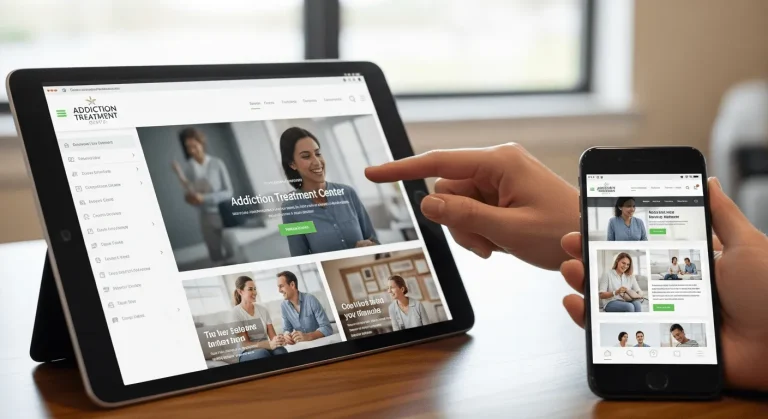

Discover How Online Chat Is Transforming Drug Rehab
Online chat is changing the way drug rehab services operate, making support more accessible and flexible. By integrating virtual communication and therapy, online chat services provide a new avenue for managing addiction.
In this post, we’ll explore the impact of online chat in drug rehab, covering its benefits, challenges, and practical applications in transforming recovery support.
The Role Of Online Chat In Drug Rehab
Understanding Online Chat Services
Online chat services in drug rehab provide a platform for interaction between individuals seeking help and professionals offering support. These services have evolved significantly, with innovations over the years enhancing their effectiveness.
Key features include instant messaging, real-time communication, and multimedia sharing, allowing for dynamic interaction. Unlike traditional face-to-face or phone consultations, online chat offers accessibility and immediacy, enabling users to connect with support teams instantly.
One study from PubMed indicates that online chat effectively captures user engagement, showing that digital communication in rehab can be both effective and engaging. This medium’s capacity to hold users’ attention makes it a vital tool for recovery programs.
Advantages Of Online Platforms
The accessibility of online platforms removes barriers that often restrict individuals from traditional rehab services. With online chat, individuals from various backgrounds and regions can access help without logistical or geographical obstacles.
The anonymity offered by digital interactions encourages users to be more open and honest about their struggles, promoting mental health and making online chat a viable support system. Furthermore, the immediacy of these platforms enables real-time interventions, which are crucial for those in urgent situations.
Online chat services also offer a private space, enhancing patient comfort and confidentiality. For example, the benefits of virtual therapy include connecting with licensed professionals from home, making therapy more convenient and less intimidating. These elements, combined, help break down the barriers to seeking help, ensuring more individuals receive the support they need when they need it.
How Online Chat Enhances Addiction Support
Real-Time Chat Support Benefits
Online chat provides immediate responses to urgent needs, a critical feature for individuals in crisis or requiring instant support. The constant availability helps build trust between users and support systems, ensuring individuals feel cared for around the clock. Adding gamification elements, such as rewards for milestones, enhances engagement, making treatment not only more interactive but also more motivating.
Integrating these platforms with existing systems streamlines care by enabling seamless transitions across support networks. The PMC review on online interventions underscores their effectiveness in addiction contexts, particularly in reaching individuals reluctant to seek help in person.
Addressing Challenges In Virtual Support
Managing the intensity and nature of chat interactions is vital to prevent burnout among moderators. Proper training is necessary to prepare these facilitators to handle various situations effectively. Balancing automated and human interventions ensures users receive thoughtful help while maintaining efficiency.
Moreover, secure communications are paramount to protecting users’ privacy. Online therapy options address privacy concerns by using advanced encryption and offering anonymous interfaces, thereby fostering an environment where individuals feel safe sharing their struggles.
Virtual Therapy: Bridging Gaps In Traditional Rehab
Teletherapy Impact On Recovery
Teletherapy is transforming the recovery landscape by removing barriers posed by physical and mobility constraints. It allows individuals who may struggle with transportation or in-person meetings to access still the vital care they need.
This accessibility is particularly valuable for underserved communities that may lack local rehab centers. Additionally, teletherapy offers flexibility in scheduling and session formats, making it easier for individuals to fit recovery support into their busy lives.
Supporting continued engagement after a rehab program is another significant benefit. By integrating ongoing teletherapy sessions, clients are more likely to stay connected and focused on their recovery journey.
The NIDA’s chat-based intervention study illustrates how these digital methods effectively expand access to care, ensuring that support doesn’t stop when in-person sessions end.
Integrating Virtual Therapy With Existing Programs
Collaborating with brick-and-mortar rehab centers is one way to integrate virtual therapy into ongoing programs. Virtual therapy doesn’t replace face-to-face counseling; instead, it complements these approaches by providing additional layers of support. This means patients can have regular online check-ins, enhancing their overall treatment experience.
Feedback loops and remote monitoring systems can be set up to provide valuable real-time data. This ensures that therapists can adjust treatment plans as needed, keeping care personalized. Utilizing hybrid models that blend in-person and virtual options allows for comprehensive care strategies, ensuring patients have access to all necessary resources at any point in their recovery.
Practical Applications Of Addiction Support Chat
Digital Communication Tools
In rehab settings, digital communication tools play a pivotal role. Key tools often include secure messaging apps, video conferencing platforms, and specialized software for monitoring progress. AI and machine learning enhance personalized support by analyzing user behavior to tailor interventions.
Furthermore, advancements in multilingual and inclusive programming ensure accessibility for diverse populations. Measuring impact through data analytics helps identify treatment effectiveness and areas needing improvement. Innovations in rehab technology are transforming how services are delivered and accessed, as seen with the digital communication developments that are revolutionizing approaches in this field.
Examples Of Successful Online Rehab Programs
Successful online rehab programs showcase the power of digital solutions. Many programs use case studies to highlight effective strategies and identify lessons learned from previous rollouts. Essential criteria for measuring success include patient engagement levels, sustained recovery rates, and the integration of feedback for continuous refinement.
It’s crucial to navigate legal and ethical considerations, particularly regarding data privacy and patient consent. These examples demonstrate that with careful planning and execution, online rehab can provide a robust support system for those seeking to overcome addiction.
See How Online Chat Is Revolutionizing Drug Rehab
Online chat is rapidly changing the way drug rehab centers connect with individuals seeking help. By offering immediate, confidential support and answers, chat features make it easier for people to take the first step toward recovery—anytime, from anywhere. This accessible form of communication is breaking down barriers and improving outcomes for both patients and providers.
Interested in leveraging online chat to reach more people and provide better care? Reach out to us to find out how we can help you implement effective chat solutions for your addiction recovery center.
References
- PubMed – Engagement With and Acceptability Of Digital Media Platforms For Use In Improving Health Behaviors Among Vulnerable Families: Systematic Review
- PubMed Central (PMC) – Online and Mobile Interventions For Problem Gambling, Alcohol, and Drugs: A Systematic Review
- National Institute on Drug Abuse (NIDA) – Real-Time Expert Support For Addiction Care Across General Medical Settings: Evaluation Of A Chat-Based Intervention