Is Your Website Secretly Sabotaging Your Business Success?
Your website often gives potential customers the first impression of your business. If it’s slow, difficult to navigate, or outdated, you might drive away visitors without realizing it. A poorly designed website can lead to lost sales, frustrated users, and a weaker online presence.
The good news? Most common web design issues have simple fixes. By identifying and addressing these problems, you can turn your website into a powerful tool that attracts and retains customers. Below, we’ll explore key areas where lousy web design can hurt your business—and what you can do to improve them.
First Impressions Matter: Does Your Website Pass the Test?
Your website has only a few seconds to make an impact. If visitors land on your page and feel confused, overwhelmed, or unimpressed, they’ll leave—probably for good. Web design is the first thing users notice; bad design sends the wrong message.
Key factors that influence first impressions:
- Layout: A clean, organized layout makes your site easier to digest. Cluttered pages create frustration and confusion.
- Color Schemes: Poor color contrast or uncoordinated palettes can make your site look unprofessional. A well-balanced color scheme enhances readability and brand perception.
- Professional Design: Outdated fonts, low-quality images, and inconsistent design elements make your site look amateurish. Users associate these flaws with a lack of credibility.
Signs your website might be making a bad first impression:
- High bounce rates suggest users don’t find your site engaging.
- Visitors leave within seconds without interacting.
- Your site looks drastically different on mobile devices, making it hard to use.
An effective website builds trust immediately. If yours is sending the wrong signals, it’s time to rethink your design.
Common Web Design Mistakes That Drive Visitors Away
Your website should smoothly guide visitors to the information they need. If they’re met with frustration instead, they’ll leave—and they won’t come back. Here are some of the most common mistakes that could cost you customers.
Slow Loading Times and How They Impact User Experience
Imagine someone clicks on your website, eager to learn about your products. Instead of seeing your homepage instantly, they’re stuck watching a loading screen for several seconds. Most people won’t wait. Studies show that even a one-second delay can reduce conversions. Optimize images, enable caching, and minimize unnecessary scripts to improve speed.
Poor Navigation and Confusing Menus
A good website should feel effortless to explore. If visitors struggle to find basic information, they’ll give up. Too many links, disorganized menus, or missing search functionality can all create frustration. Keep navigation simple—logical categories, clear labels, and an intuitive structure are essential.
Lack of Mobile Optimization and How It Affects Engagement
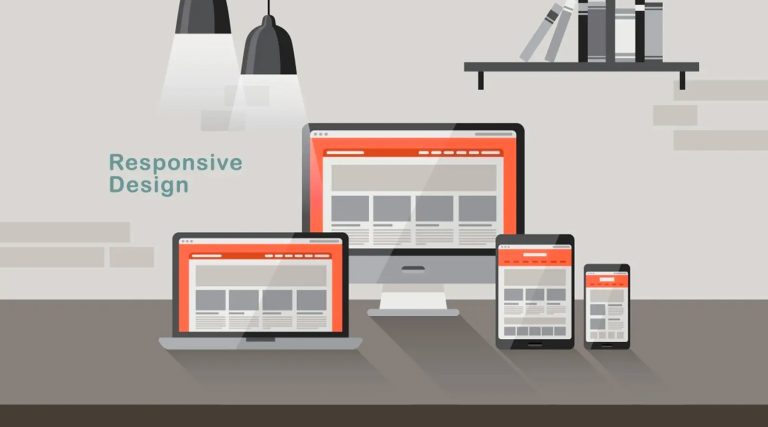
More than half of web traffic comes from mobile devices. If your site isn’t mobile-friendly, users will encounter broken layouts, hard-to-read text, and buttons too small to tap. Responsive design ensures your website adapts to different screen sizes, keeping visitors engaged regardless of device.
Need help improving your site? Schedule a Consultation for expert web design solutions.
How Web Design Affects Search Engine Rankings
Search engines rank websites based on keywords and evaluate design, usability, and overall experience. If your site lacks a solid structure, users will leave quickly, and search engines will take notice.
Site Structure and SEO
A well-structured website makes navigating easy for users and search engines. Clear, logical menus and internal links improve crawlability, helping search engines index your pages efficiently.
Mobile Responsiveness
If your site isn’t optimized for mobile, you’re losing traffic. Google prioritizes mobile-friendly websites, and a poor mobile experience can lower your rankings. Ensuring a responsive design helps you reach a broader audience and improves engagement.
Page Load Speed
A slow website frustrates users and increases bounce rates. Search engines penalize slow-loading pages because they harm user experience. Use tools like Google’s PageSpeed Insights to identify issues and optimize performance.
Technical SEO Mistakes
Design flaws, such as missing alt text, broken links, and poor URL structures, can hurt rankings. Regular audits help catch these issues before they impact visibility.
If your industry demands high online visibility, an effective web design isn’t optional—it’s essential. See how businesses benefit from optimized web design by visiting this page.
Turning Your Website into a Business Asset
Your website isn’t just an online brochure—it’s a tool that should actively support your business goals. A poorly designed site repels visitors, while a thoughtfully crafted one converts them into loyal customers. The difference lies in strategic web design choices that enhance user experience and drive engagement.
How Strategic Design Choices Improve User Retention
Users make snap decisions about staying on your site. Clean layouts, logical navigation, and engaging visuals keep them interested. If visitors struggle to find what they need, they leave. Your job is to guide them effortlessly through valuable content, reducing friction at every step.
The Importance of Clear Calls-to-Action
Every page should have a purpose. Whether you’re booking a consultation, making a purchase, or signing up for updates, your calls to action must be visible and compelling. Confusing or hidden buttons cost you conversions. Keep them simple, direct, and easy to act on.
Keeping Your Website Updated with Fresh Content and Modern Features
An outdated site sends the wrong message. Regular updates to content, design elements, and functionality keep visitors engaged and search engines interested. Trends shift, security protocols evolve, and user expectations change. Staying ahead ensures your website remains a reliable, high-performing business tool.
A Website That Works for You, Not Against You
A bad website doesn’t just sit there—it actively costs you customers. Every slow-loading page, confusing menu, or broken link creates frustration. Visitors leave, and potential sales vanish.
Good web design isn’t about making things “look nice.” It’s about function. Does your site load in under three seconds? Do visitors find what they need without effort? Can they trust your brand from the moment they land on your homepage?
The fixes aren’t complicated, but they require action. Audit your site, optimize for speed, simplify navigation, and ensure mobile friendliness. If you’re unsure where to start, professional digital marketing services like those we offer can help.
Your website should work for you—bringing in leads, building trust, and driving growth. If it’s doing anything less, it’s time for a change.